
“When all’s said and done, all roads lead to the same end. So it’s not so much which road you take, as how you take it.” — Charles de Lint.
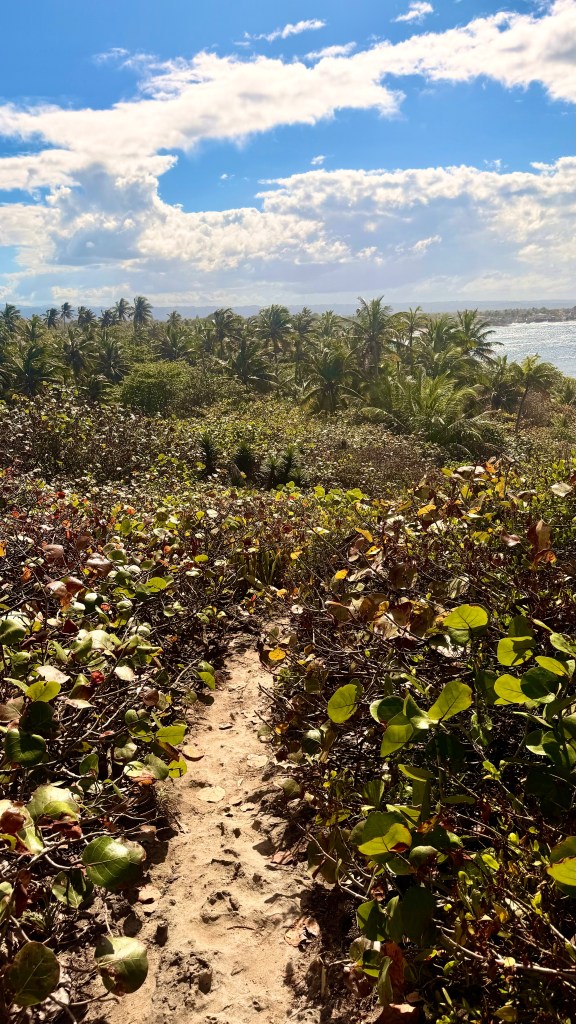
All roads lead to the same road…and some lead to Puerto Rico. I hadn’t planned to come to this island, but the universe had its own orchestration. Or perhaps Grandma had a hand in it. Here I am, taking advantage of the time I was handed, “stuck,” placed in the hands of the island who draws me in, connecting me to my roots.
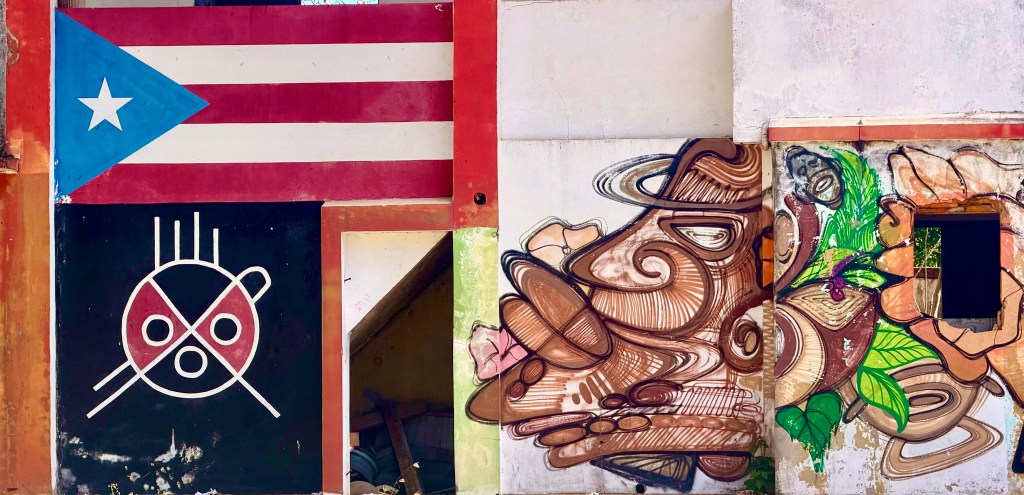
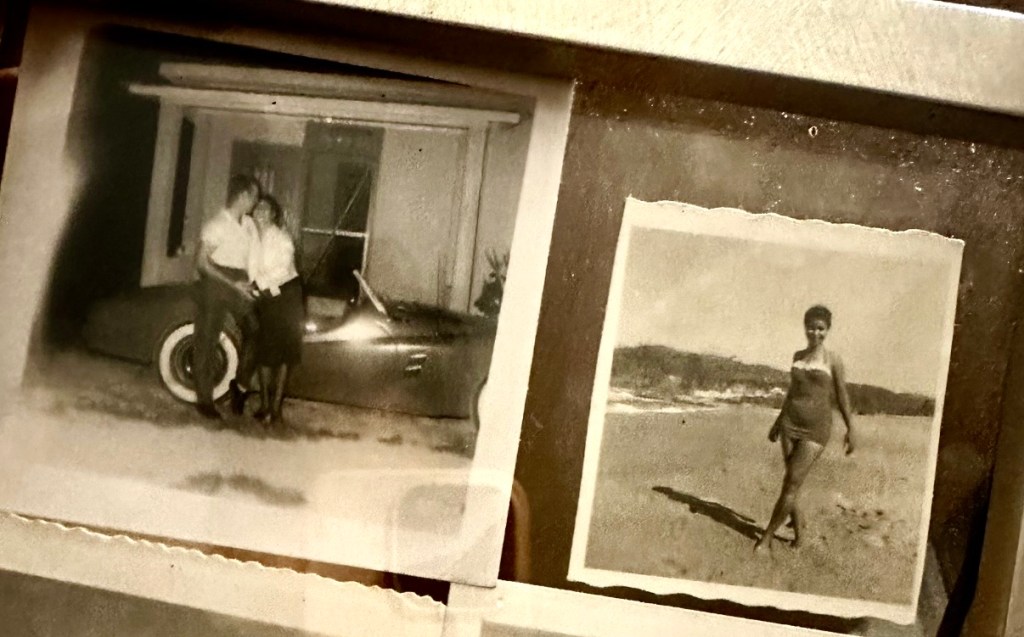
My grandmother was born here on this island, which makes me one quarter Puerto Rican. In all my travels and living abroad I hadn’t truly spent time on this island, aside from that one time in my early twenties I third-wheeled it on my friend’s weekend getaway over at the San Juan Resort & Casino. My only memory aside from indulging on piña coladas, was that night I was lying in one of the hammocks, tipsy after an evening with my friends in the casino. Still donning my red dress, I drifted away, coaxed by the soundtrack of chirping ko-KEE tree frogs (coqui, the island’s infamous symbol), when suddenly it started to rain on me. I open my eyes to see Riccardo, the handsome young concierge who’d been casting sultry eyes on me the last two days, motioning from a nearby palm tree to follow him, as if to rescue me from the sudden downpour. Holding his hand tight we darted through the now pouring rain, winding through the resort’s narrow paths, dodging palm fronds, off to find shelter, until finally giving up–laughing loudly and soaked–turning to one another and kissing wildly. A true movie moment if you ask me. I digress . . .
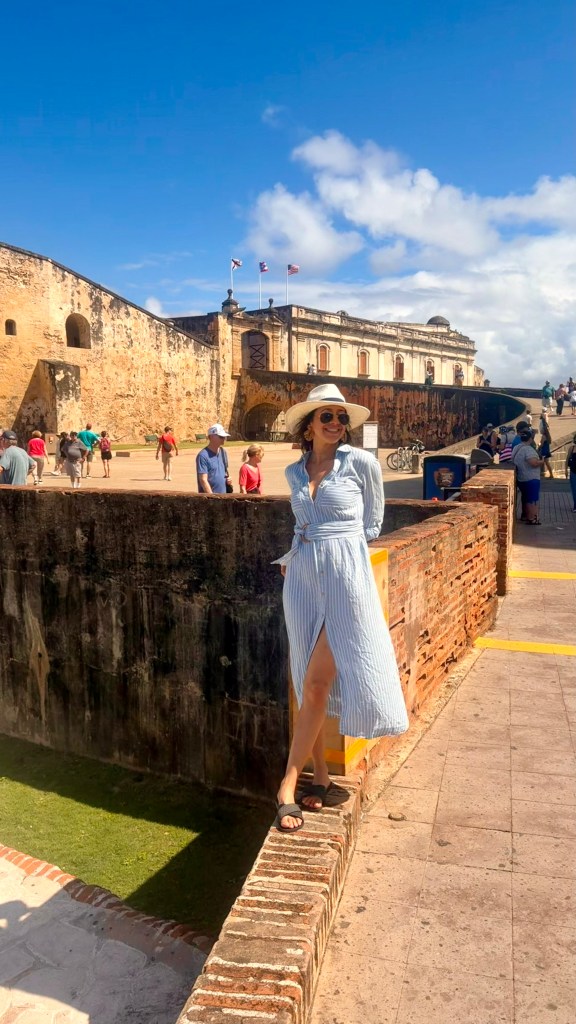
Leaving the heart of London winter to chef on the yacht for the family I work for, I packed my bags for a two-month adventure away. I was never supposed to come here; in fact I was supposed to meet the boat in Antigua, then cruise through the Virgin Islands to Saint Maarten. But due to weather delays I flew to the Dominican Republic to meet the boat and crew there, where they were stuck, and start my provisioning for the weeks ahead. Underway to the next port in Fajardo, Puerto Rico, for fuel, suddenly, alarms started going off and our speed came to an abrupt halt. We had lost an engine. Thirty miles out from San Juan, the Captain chose to redirect to port there and wait out troubleshooting. Days later, the executive decision was made to cancel the entire trip the owners had planned– before they even had a chance to step on board. It is not uncommon in yachting to plan for the unexpected. Itineraries can change, number of guests, weather, things breaking…you name it. One learns to be resilient in the midst of uncertainty and things outside your control. And so, after all of us recovering from the initial shock, the short of it is that I got to stay on as crew chef here, on the island of my ancestors. Could be worse ;)
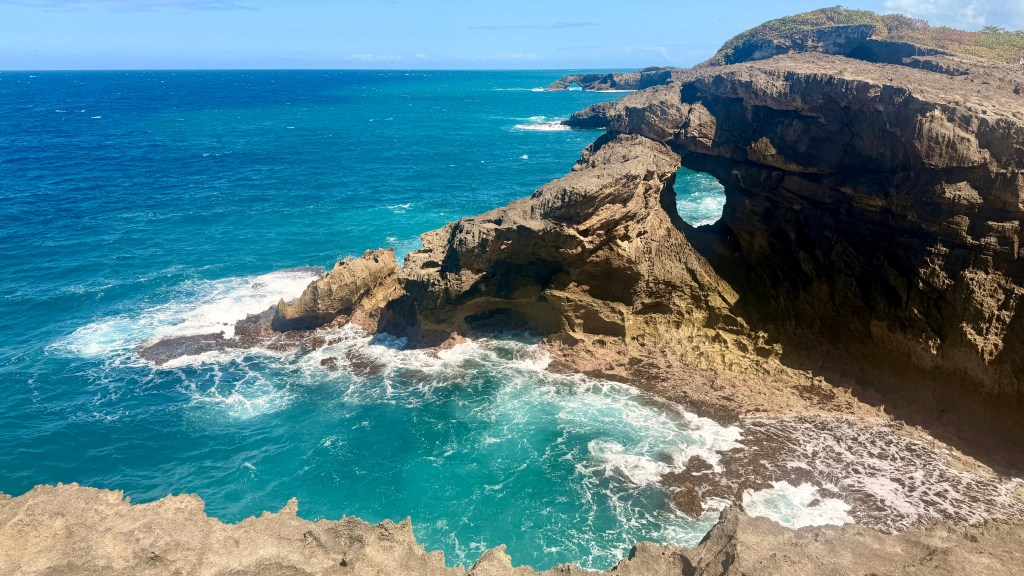
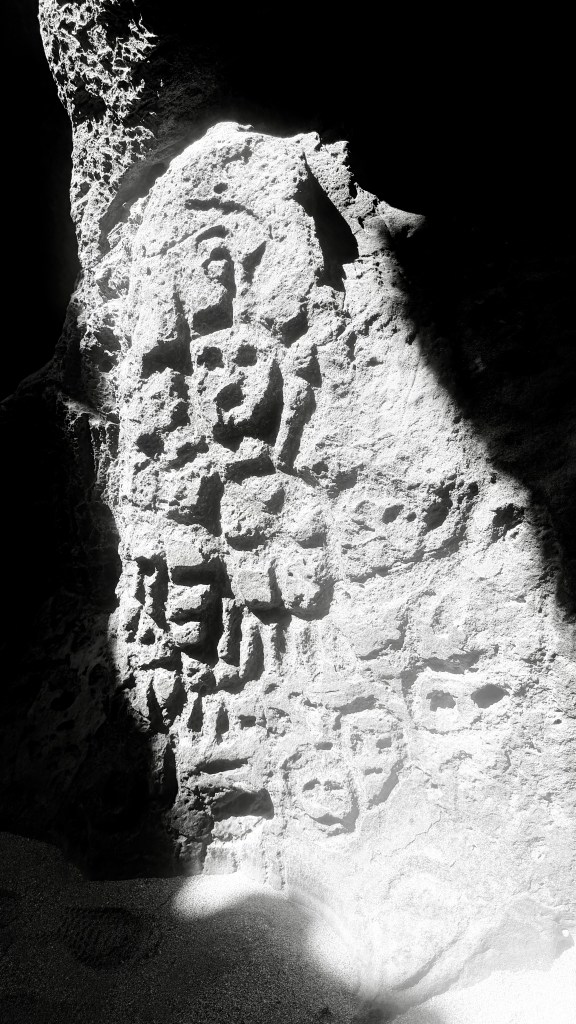
After a call to the States with my cousin once removed, I discovered that we still had a relative on the island I could visit, and after he made a couple of calls, his friend on island was scooping me off to adventure. We would venture to Quebradillas, where my family had lived, and meet my great aunt. Driving along the northern coastal route, we jumped out at an expansive stretch of tropical, coconut-palm-lined beach, pristine tan sand bordering hungry Atlantic Ocean waves. Wind-blasted and sandy we drove on until spontaneously pulling over to visit a Natural Reserve, Cueva del Indio, an ancient natural cavern by the sea with Taíno Indian petroglyphs etched into the limestone walls. Truthfully, before visiting Puerto Rico I hadn’t even known of the Taíno indigenous peoples, but in the spirit of wanting to connect to my heritage, I did some research and learned they arrived from South America around 500 AD with their civilization flourishing for a few thousand years until Spanish contact in 1493–when, of course the sad truth of conquest and colonization, as with so many other indigenous cultures, all but wiped them out. Their culture was rich with farming and spirituality. They were also among the earliest to use hamacas, or hammocks, which is where the word comes from today, as well as hurakán, the root of today’s word hurricane. The island was known as Borikén, which is where the term Boricua comes from– one who proudly identifies with that heritage.
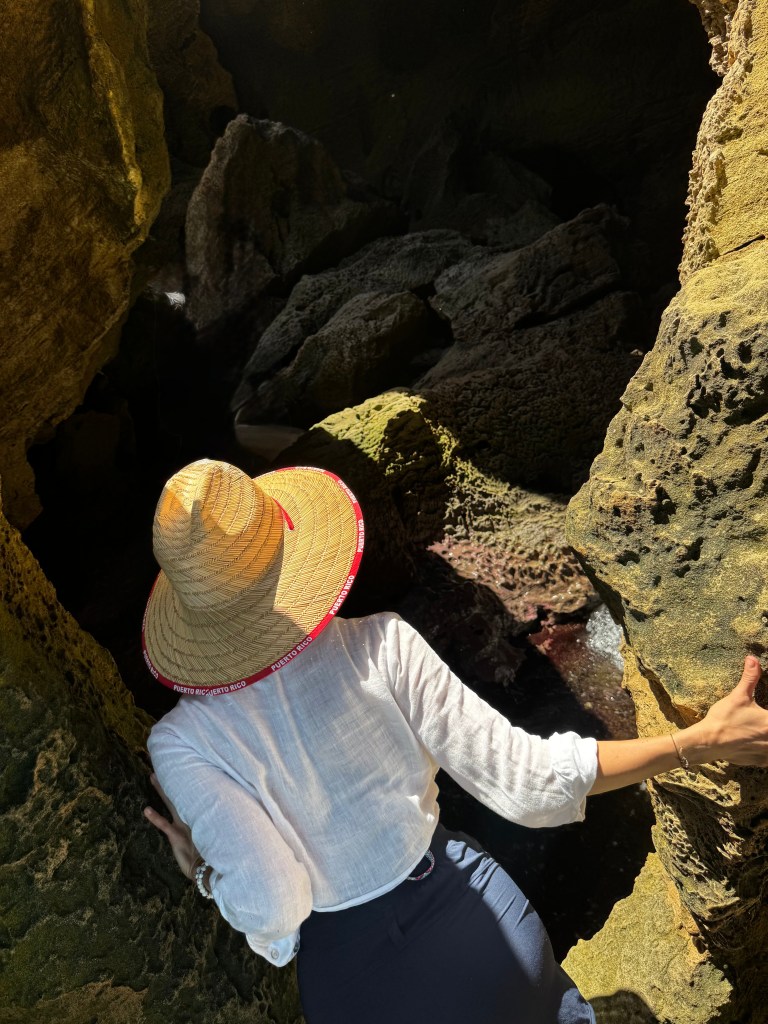
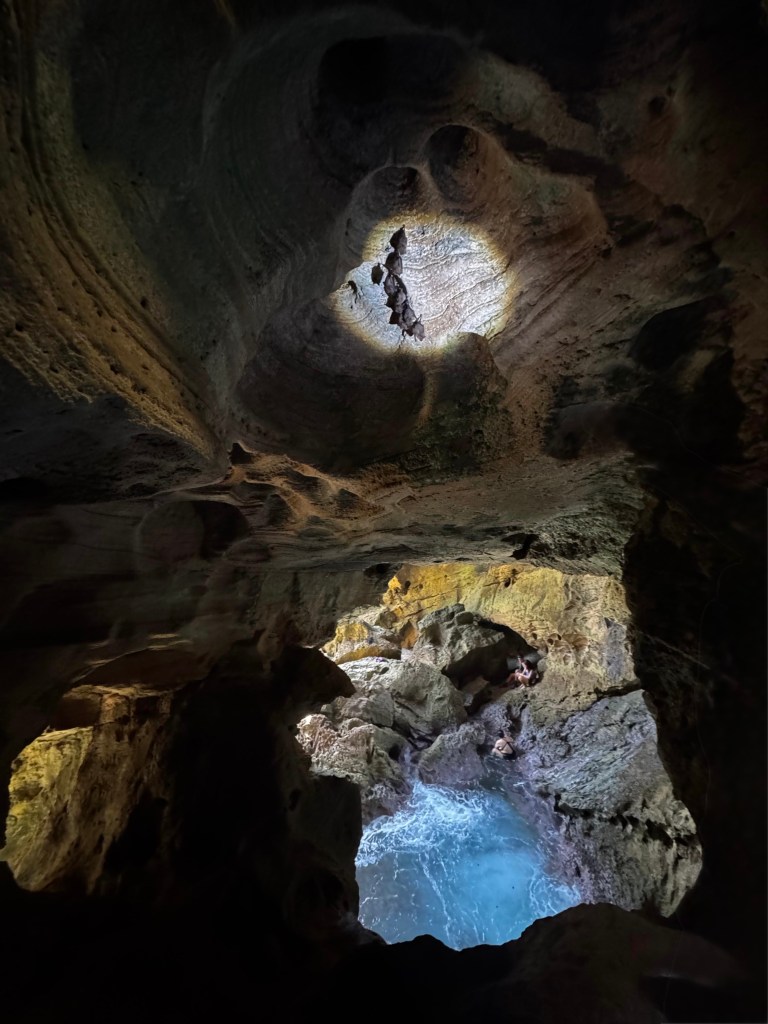
Into the cave we ventured, literally shimmying and spidering ourselves through a crack in the limestone and down into the mouth of this extraordinary cave. Awe-inspiring, the cave had been carved by Atlantic Ocean waves through the centuries, shaping and smoothing the limestone into a presentation of Mother Nature’s greatest artwork. If you’ve ever ventured into a cave, you understand the mystery and wonder they carry. Families of bats hanging dormant in dark pockets…eroded hollows where sunlight filters in…the strange acoustics resonating within vaulted ceilings and sprawling walls…an almost sense of danger mingled with fresh excitement– all but a portal into an alternate universe, where your subconscious tries to connect the dots of the history and memory carried within its chamber.
Gaping, I made my way across the sand into the largest “room” and found the petroglyphs, preserved in the limestone. Like other ancient cave carvings or paintings, there were gods and goddesses, other figures, animals, and symbols– the mystery of which never ceases to amaze me. A catalogue of culture, they make it impossible not to imagine the stories and traditions beaming out through their depictions. A preservation. A time capsule.
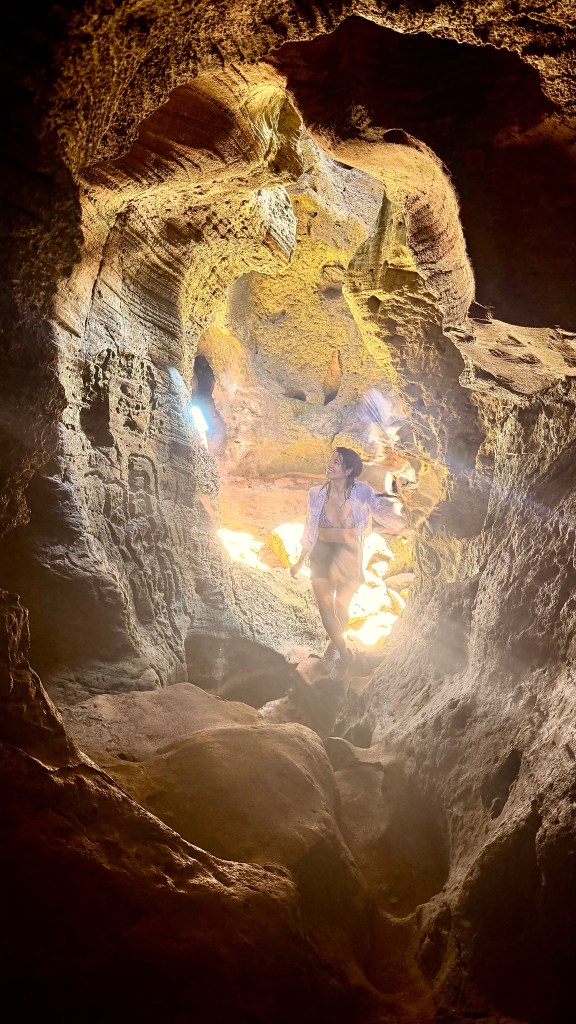
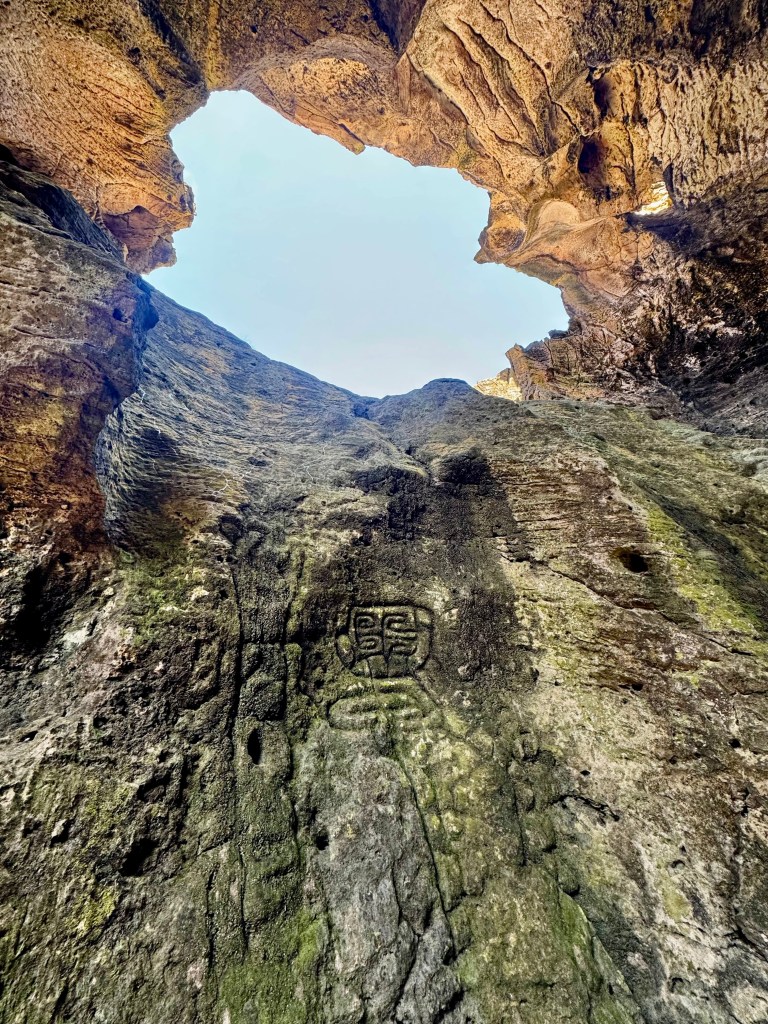
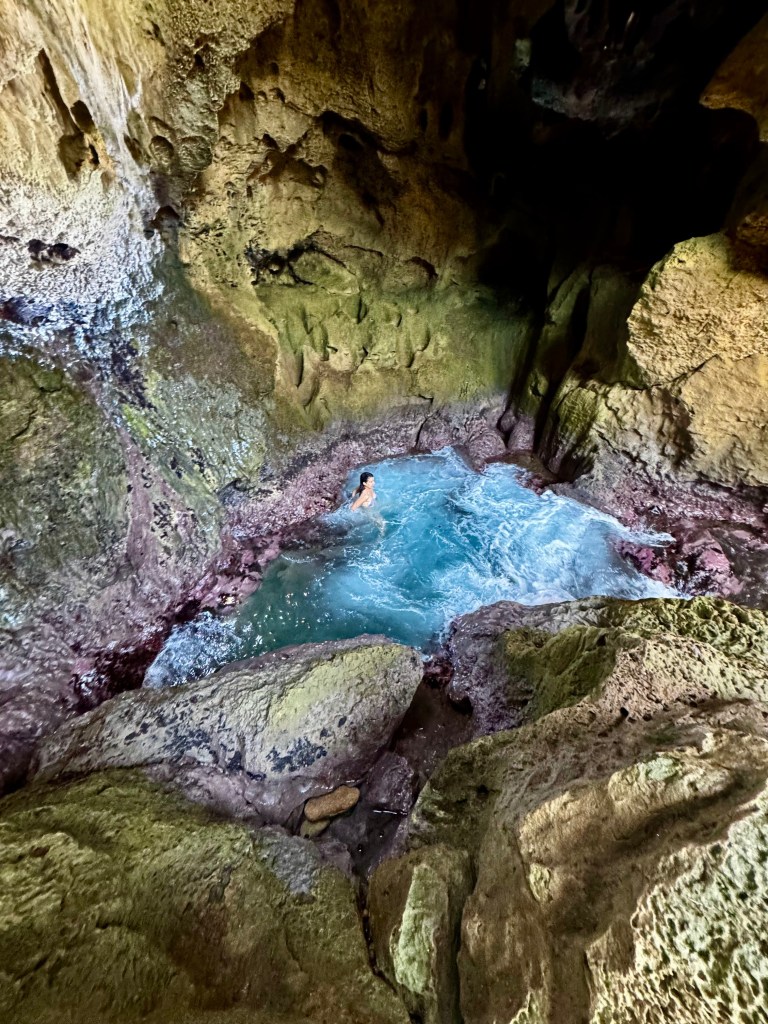
The cave’s opposite wing was reached by carefully hopping across rocks only accessible each time the breath of ocean waves receded from a small cove-like opening within the far wall touching the sea. I scurried across into the next chamber and gazed down at the circular pool below the rocky nape. A bright teal color bordered by mineral-rich rock, streaked with purple, and another opening above where cascading water rushed through each time wind hurled waves against its walls. The perfect lair for my mermaid antics, of course I had to immerse myself in its cool waters, and I soon felt for myself how sacred this cave truly must have been for the Taínos. It was one of those magical moments where you look around and can hardly believe everything you’re seeing and experiencing.
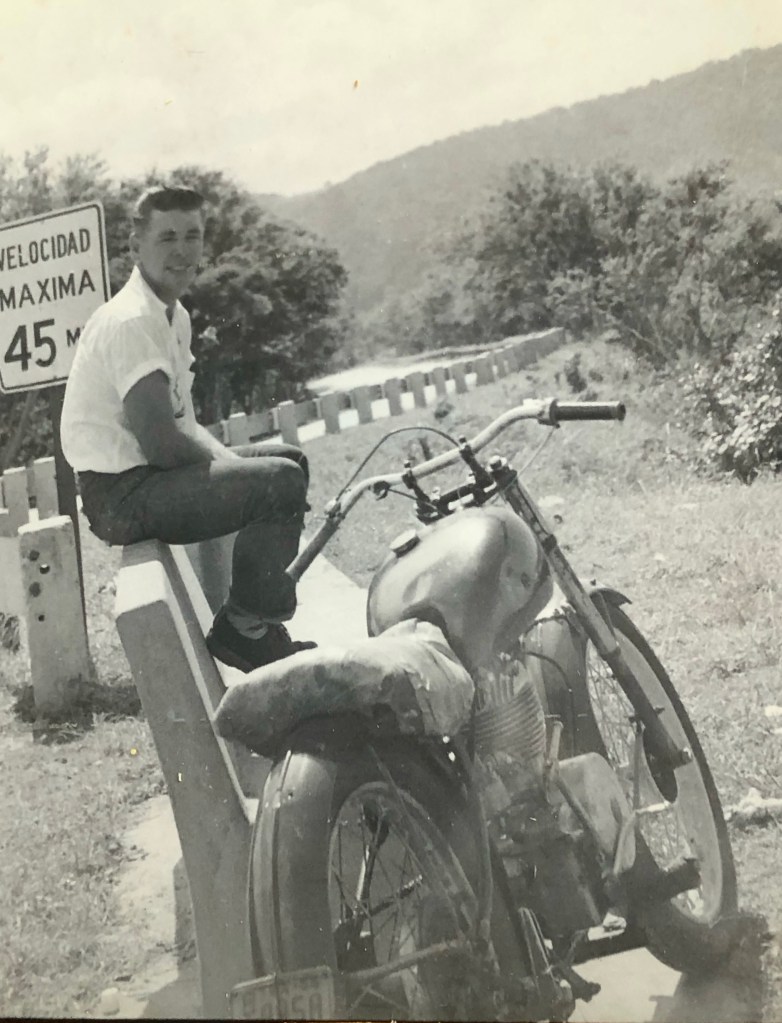
After a roadside pitstop we feasted on local pasteles, a corn and pumpkin masa housing crab, wrapped in a palm leaf and cooked over a wood-fire barbacoa, which I washed down with a fresh coconut, chopped open with a machete before our eyes and sipped through a straw. We at last made it to Quebradillas to the house of my great aunt, where she had lived since her marriage with my great uncle almost 70 years ago– a time capsule. I was greeted by a small, smiling elderly woman, tanned and limber, with wrinkles of joy etched in her face. After a warm hug, we made our way through a house fully bedazzled with Catholic homages of Christ and Mary, every wall a shrine with pictures, little statues, and candles, and I was seated in her kitchen, primed for the stories set to unravel. She shared memories from the days when she first met my grandmother in their late teens. One evening my grandmother showed up, dressed beautifully, and proclaimed she was going out to the plaza to find her a “galán”…and that night she met my American grandfather, who was stationed there in the army and also out to find himself a woman. That’s where it all began!
Not accustomed to the Puerto Rican accent, I struggled to understand, but still gathered a picture of how life truly was back then. More than once I was overcome with emotion when she shared the brutal honesty of circumstances for women during this time and just how different life was. She herself was the youngest of 15 children, and she shared that my great-grandmother was one of 22– unconceivable now! The constriction of the Catholic religion was heavier than I imagined, and women were expected to be handed over from their fathers as wives and set to bear children and care for the home, all while being devout Christians. Women’s obligations were confined to marrying young and enduring whatever was to come– aggression, infidelity, and poverty included. Not even a hundred years ago, the sad truth was that women held few rights, even if they wanted to finish or continue their studies, and were instead expected to do what their father’s bid them, like my great aunt, who wanted to study and become a teacher, but was pulled out of school to marry, no questions asked. Her sister, too, was married off at only fourteen! Many women could still work as seamstresses in textile factories, yet for long, grueling hours with barely any breaks.
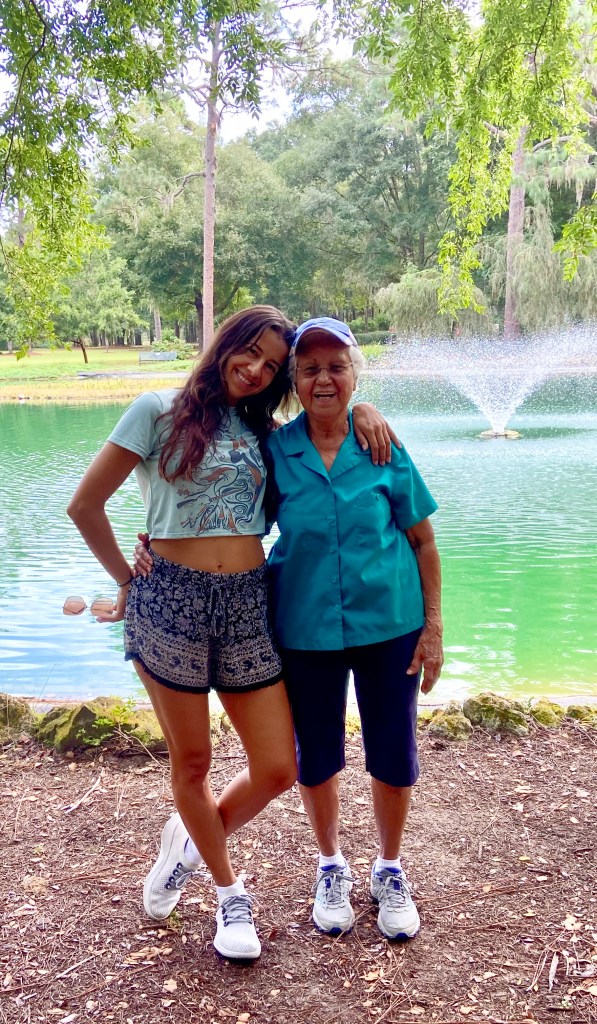
The energy of this woman was truly inspiring. So full of life and personality, at eighty-eight she was completely mobile, lived by herself, and carried out the duties and chores of keeping her house and tending the chickens, ducks, quails and turkeys in the backyard. I was amazed at her memory and the love exuding from her, and was so grateful she welcomed me to stay the night. I woke up to birdsong and the rooster’s crow, steeped in the mist of her morning prayers to Papa Dios. I had much to integrate being in that house, time-capsuled stories, connecting to my heritage and the spirit of my grandmother, as well as the reality that it was exactly a year since I had lost my dear Abuelita and how much I loved and missed her. I was grateful for the stories and to hear that my Abuelita was a strong and caring woman– and, as my great aunt imparted, smiling slyly, rebellious– for Grandma had stood up for her at a time when none other in the family did. More than this, the great matriarchal Puerto Rican lineage lived on inside this woman like a time capsule, and open as I was to receiving, I feel as if I was imparted a flame of this enduring fire and the generosity of spirit that comes with being Boricua.
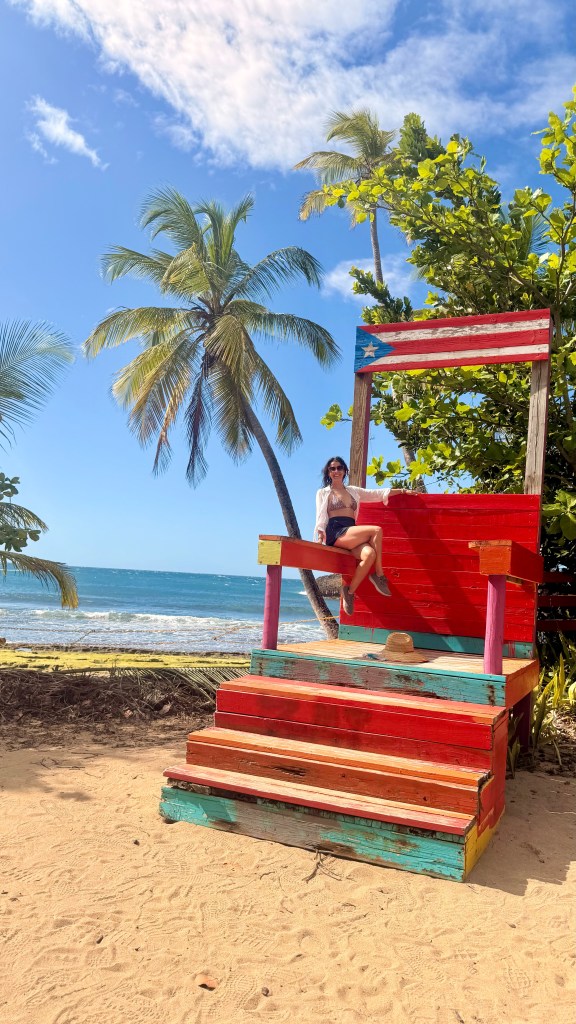
We could all benefit from being reminded of something deeper within ourselves. To remember. To connecting to our roots– whether sad, shameful, or glorious. You walk away changed, embracing the fullness you carry, grateful for how you took the road and how you will take it leading forward.
Discover more from Christin Marie Writes
Subscribe to get the latest posts sent to your email.

 Christin Marie Writes